

If you are looking to contour your abdomen, there are two options that may be suited for you: a tummy tuck and panniculectomy. They are both surgical procedures that remove excess fat and skin from the abdominal area.
A tummy tuck is ideal for people with mild concerns about loose skin over the lower abdomen or to tighten separated stomach muscles. It can also be useful for patients who are at a stable weight but wish to lose additional pounds.
What Is a Panniculectomy?
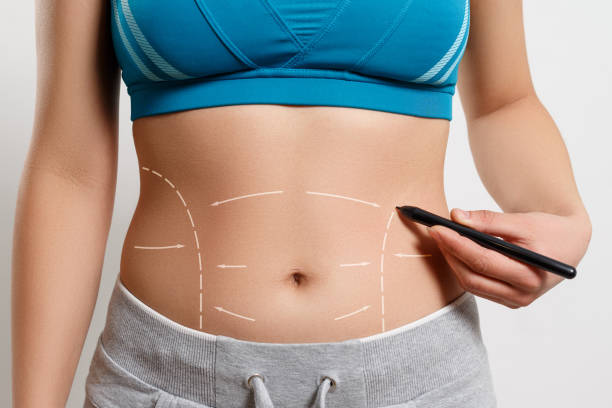
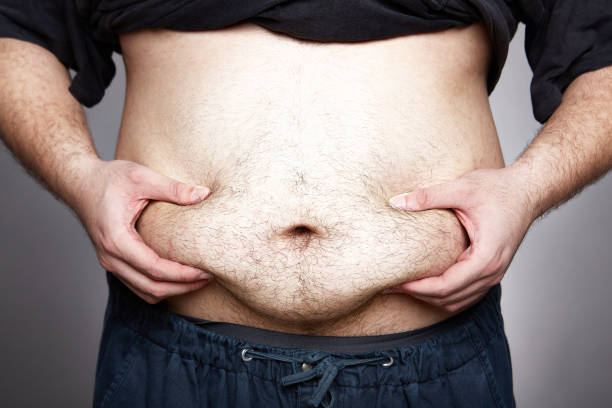
A panniculectomy can be life-changing for someone who suffers from extreme excess skin in their lower abdomen. The procedure removes the flap of skin that hangs down over your genitals and thighs. This can significantly reduce uncomfortable symptoms like foul body odor, rashes and sores in the fold of skin. In addition, it can make it easier to move around and find comfortable clothing.
The surgical procedure of panniculectomy involves surgically removing a large flap of skin from the lower abdomen. This procedure is more extensive than a tummy tuck and generally takes two to five hours. The surgeon will need to remove fat from the area and tighten muscles in the abdominal wall, but it is primarily an excess skin removal surgery.
A panniculectomy can be performed in a hospital or licensed ambulatory surgical center. You should wear loose-fitting clothes that are easy to get on and off, as you will need to wear a hospital gown during the operation. You should also arrange for someone to drive you home after the surgery, as you will be groggy when it ends.
A panniculectomy can be more expensive than a tummy tuck, but medical insurance may cover part of the cost. Your doctor will discuss the cost and your insurance coverage with you before moving forward with this procedure.
What Are the Benefits of a Panniculectomy?
A panniculectomy is primarily a cosmetic procedure, and many patients find that their clothes fit better after this surgery. However, it can also help relieve rashes and infections that can develop underneath large flaps of skin. It can also improve mobility and boost confidence.
The primary candidate for a panniculectomy is someone who has lost a significant amount of weight through lifestyle changes, gastric bypass, or other surgeries, but still has a large flap of skin in the lower abdomen. This can diminish the excitement of a dramatic weight loss, or lead to frustration when trying to wear loose clothing. It can also cause rashes, infections, and hygiene problems. It’s important that a patient be at a stable weight before undergoing this procedure, or that they be committed to maintaining a healthy weight through diet and exercise.
If you’re considering a panniculectomy, it’s best to discuss your goals with a plastic surgeon like Mr. Dean White.
What Are the Consequences of a Panniculectomy?
Your doctor will determine whether you are a good candidate for panniculectomy by performing lab work and asking about your general health history. You should not be pregnant or smoke, as both can interfere with healing after the procedure. People who have lung disease, uncontrolled diabetes or cardiovascular problems may not be good candidates for this surgery. You should also be at a stable weight to ensure that your results will last.
The surgery is performed under general anesthesia and requires several weeks for recovery. In the beginning, you may experience pain, bruising and numbness in the area. It is important to have a supportive friend or family member available to help you during the first few days after your operation. You will need to limit your activities to light walking and stretching, and you should avoid heavy lifting and strenuous exercise.
It’s important to be at a stable weight before you undergo a panniculectomy. This ensures that you don’t gain weight and cause complications, which could be dangerous. You should also disclose any preexisting health conditions to your surgeon, including diabetes or lung disease.
Although a panniculectomy has cosmetic benefits, it is considered functional, meaning that insurance providers cover the procedure when it’s needed for medical reasons. You’ll want to speak with your insurance provider before you decide to have a panniculectomy because not all plans will cover it.
What Is a Tummy Tuck?
After significant weight loss, pregnancy or age-related changes to the body, many patients develop loose, sagging lower belly skin that diet and exercise can’t improve. A tummy tuck (also called abdominoplasty) is a surgical procedure that removes excess fat and skin from the abdomen, providing a firmer, tighter appearance. It can also eliminate stretch marks and reposition the belly button, where necessary.
A panniculectectomy, named for the flap of excess skin that hangs over the lower abdomen, is a medically necessary procedure that may be covered by health insurance if you meet certain criteria. It can help prevent the sagging skin from causing back problems, skin ulcers and rashes and reduce the risk of infections. Our plastic surgeons use precision borne of experience to carefully cut the overlapping layers of skin and fat, leaving minimal scarring.
A tummy tuck can provide similar results, but also includes tightening of the abdominal muscles and detailed contouring work to enhance the underlying muscle and tissue for a more dramatic result. It can also be combined with liposuction for a slimmer and more athletic look. Depending on your desired outcome, we can recommend either a full or mini tummy tuck. Both procedures require a lengthy recovery period, with drains in place if your doctor has inserted them. You’ll need someone to drive you home after the surgery, and you will experience some pain, bruising and numbness in the weeks or months following.
Associate Professor Dean White
The Avani Building, Suite 1, Level 1/12 Nelson Rd, Box Hill VIC 3128
(03) 9895 7631









 Take Your First Step